Importance of National Occupational Standards (NOS) in Fire Damper Testing/Inspections and Remedials
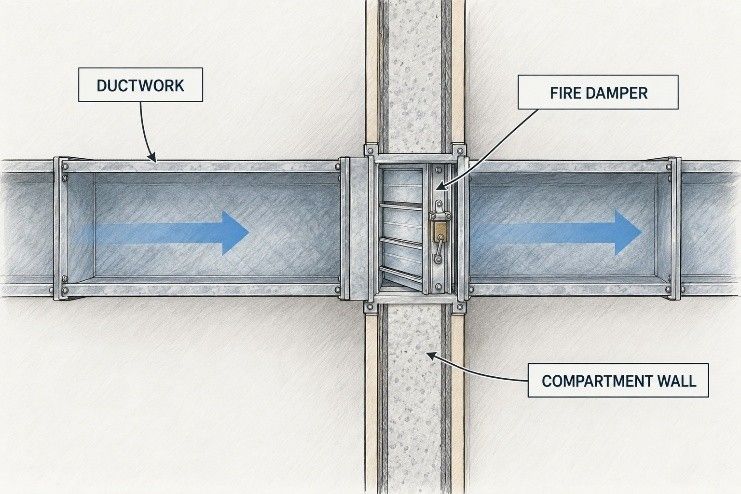
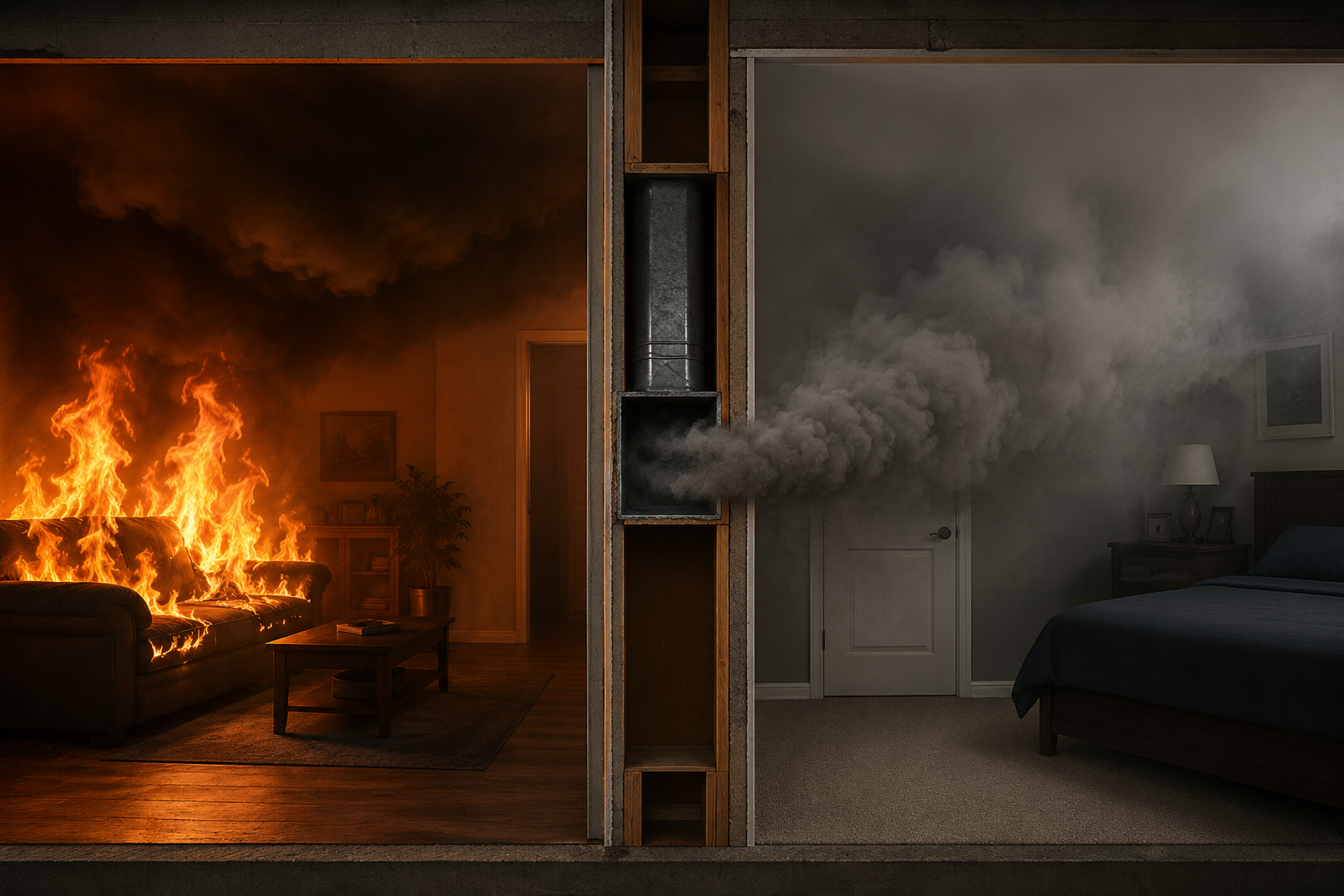
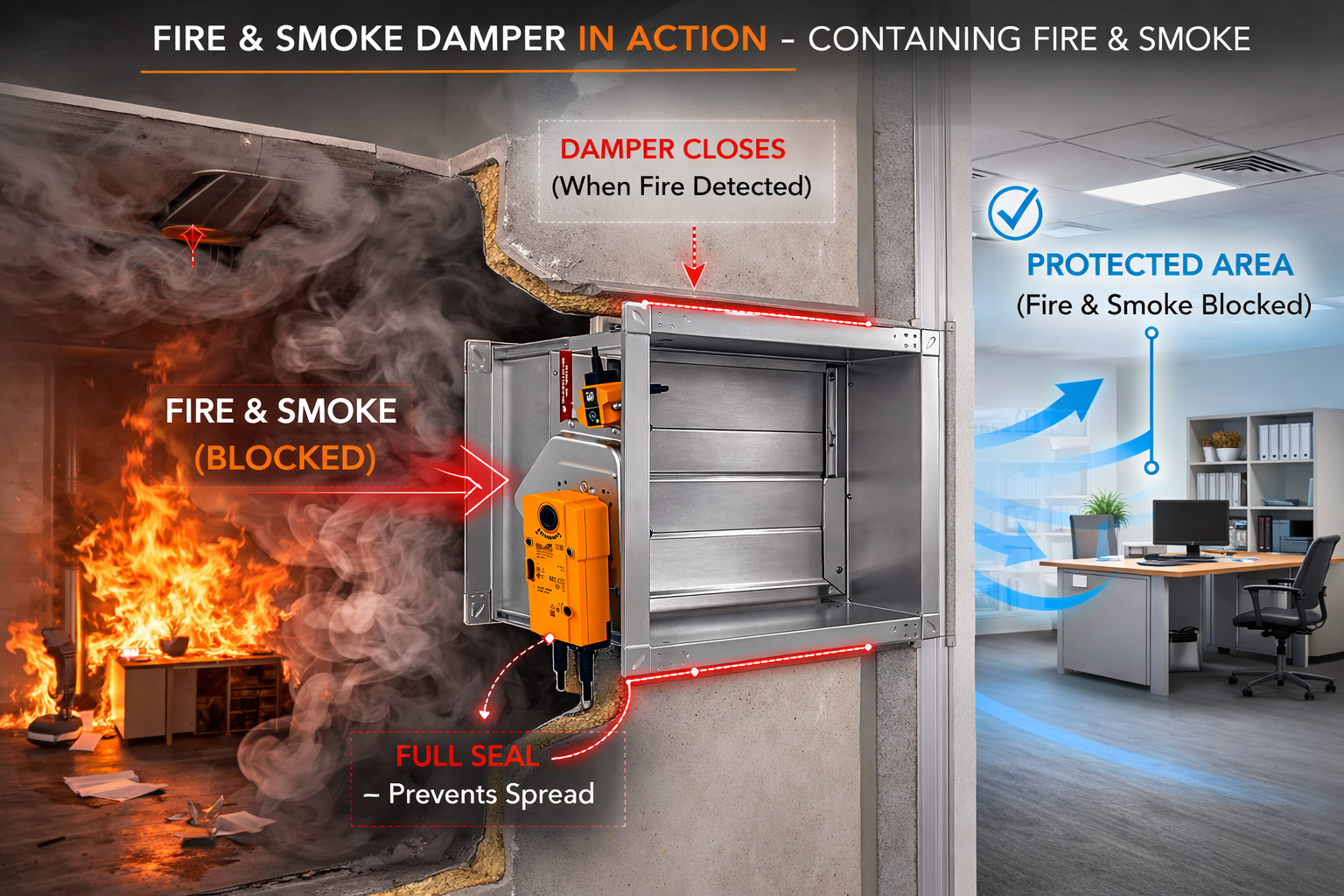
Fire dampers play a critical role in ensuring building safety by preventing the spread of fire and smoke through ventilation systems. Regular fire damper testing/inspection and maintenance of these components are essential to ensure their functionality in the event of a fire. The National Occupational Standards (NOS) provide a framework for maintaining high standards in fire damper inspections and remedials, ensuring that personnel are adequately trained and competent in their roles.
What are National Occupational Standards (NOS)?
NOS are benchmarks of good practice and competence that outline the skills, knowledge, and understanding required to perform a job role effectively. Developed by industry experts and stakeholders, these standards are designed to ensure consistency and quality across various sectors. In the context of fire damper inspections and remedials, NOS serve as a guide for training programs, assessment criteria, and performance evaluations.
Role of NOS in Fire Damper Inspections
- Consistency in Inspections: NOS ensure that inspections are carried out systematically and consistently. This standardization is crucial in identifying potential issues and ensuring all fire dampers are in good working condition.
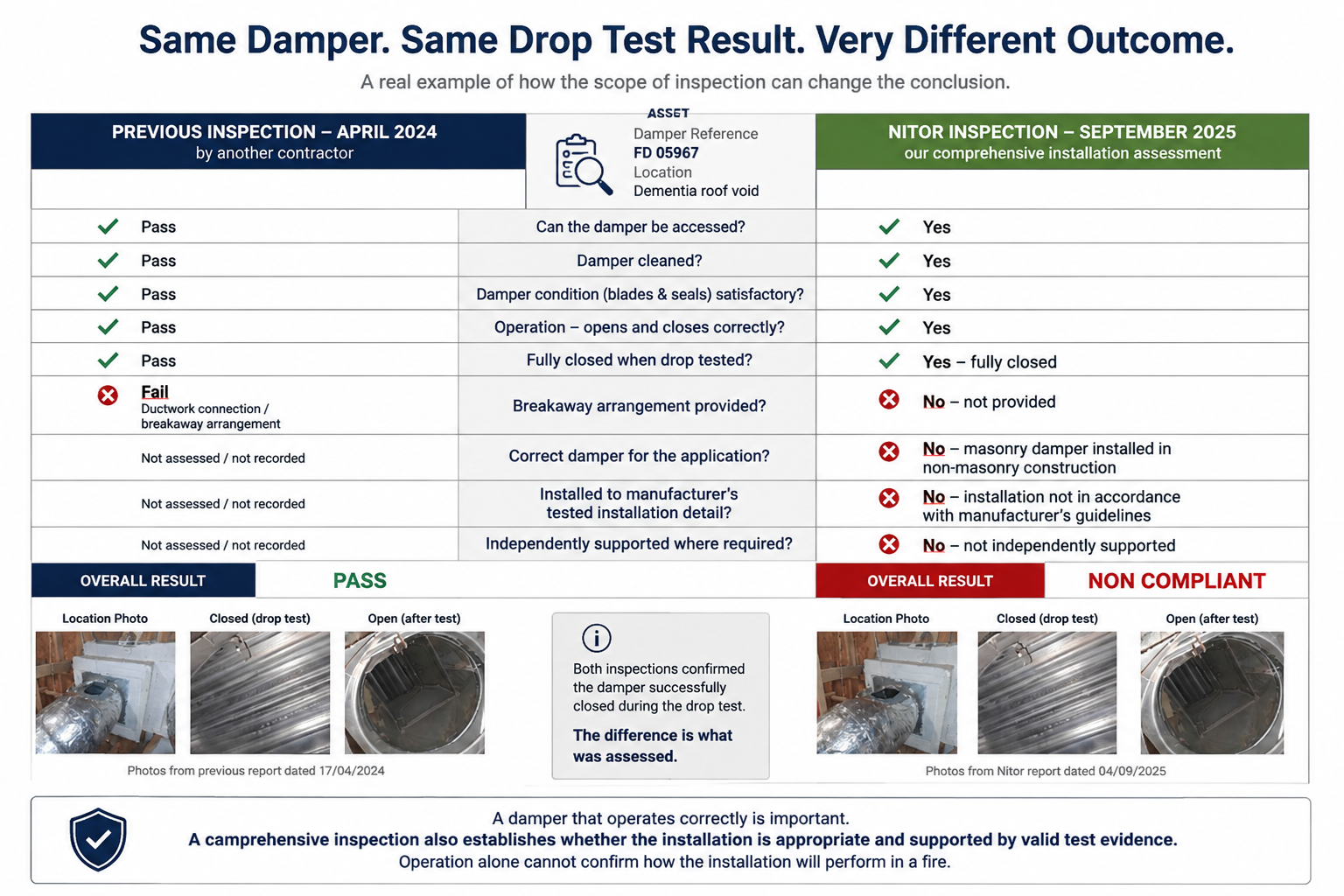
- Competence of Inspectors: By adhering to NOS, inspectors are equipped with the necessary skills and knowledge. This includes understanding the types of fire dampers, their operation, common faults, and the regulatory requirements surrounding their maintenance.
- Enhanced Safety: Regular inspections aligned with NOS help in early detection of faults, preventing malfunctions during a fire. This proactive approach significantly enhances the safety of the building's occupants.
Importance of NOS in Remedial Actions
- Effective Repairs: NOS provide guidelines on how remedial actions should be performed. This ensures that any repairs or replacements are done correctly, maintaining the integrity of the fire dampers.
- Compliance with Regulations: Adhering to NOS helps in complying with national and international safety regulations. This not only ensures legal compliance but also upholds the highest safety standards.
- Training and Development: NOS form the basis of training programs for professionals involved in fire damper maintenance. This ensures that all personnel are up-to-date with the latest techniques and regulatory changes.
- Documentation and Reporting: Proper documentation and reporting are critical in remedial processes. NOS guide the documentation practices, ensuring that all actions taken are well-recorded and traceable for future reference and audits.
Conclusion
The application of National Occupational Standards in fire damper inspections and remedials is indispensable for maintaining safety and compliance in building management. By providing a structured approach to training, performance, and assessment, NOS ensure that fire dampers are inspected and maintained to the highest standards, ultimately protecting lives and property. Building owners and managers should prioritize adherence to these standards to enhance the safety and resilience of their facilities.