Understanding the Importance of Fire Dampers: Safeguarding Against Disaster
Fire damper, fire damper, fire damper – you may have heard this term repeatedly in buildings and constructions. But do you truly understand the significance of fire dampers and how they contribute to safeguarding lives and property during fire emergencies? In this article, we will delve into the world of fire dampers, exploring their purpose, functioning, and importance, as we emphasise the vital role fire dampers play in fire safety.
Fire Damper: The Guardian of Safety
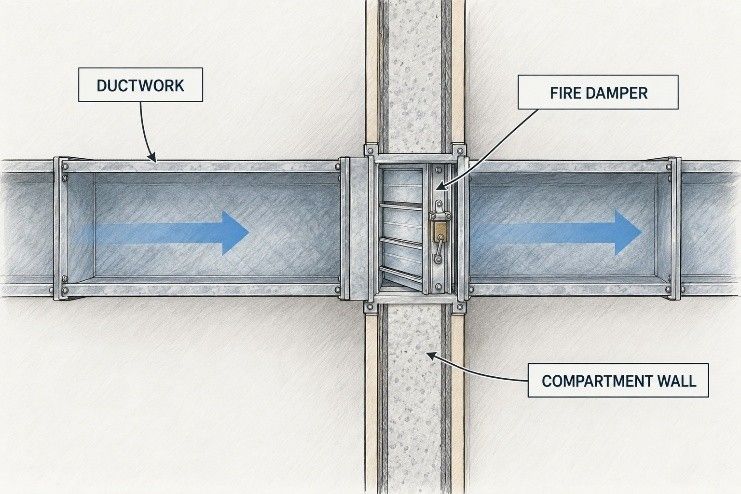
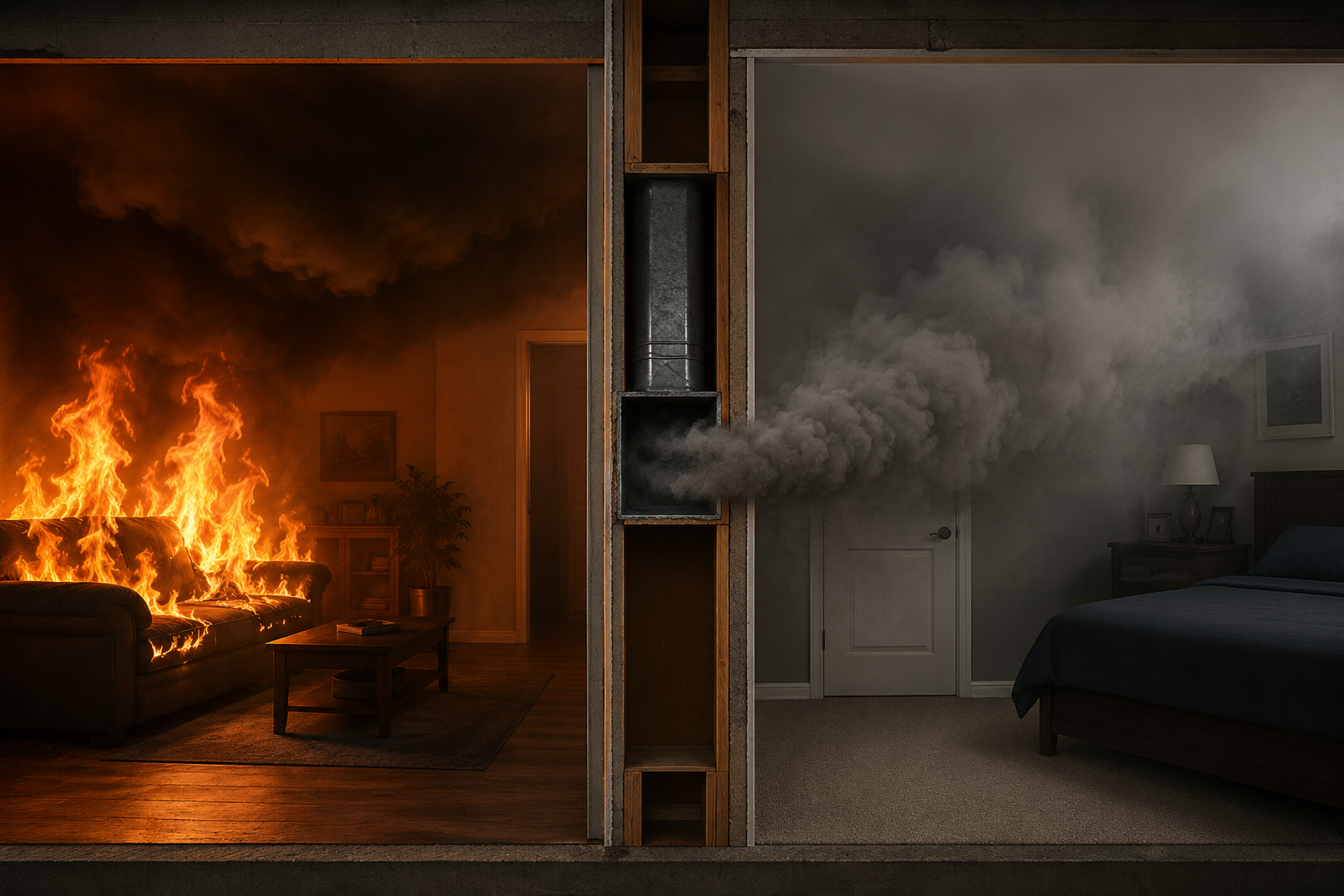
A fire damper, as the name implies, is a crucial component in fire safety systems. Fire dampers are designed to restrict the spread of fire, heat, and smoke through ventilation and ductwork, preventing the fire from rapidly engulfing the entire building. These specialised fire dampers compartmentalise the building, containing the fire within its origin point.
How Fire Dampers Function
Fire dampers, their functioning is simple yet indispensable. These fire dampers are strategically installed within the ductwork ventilation systems throughout a building. In normal conditions, the fire damper remains open, allowing the free flow of air and temperature regulation.
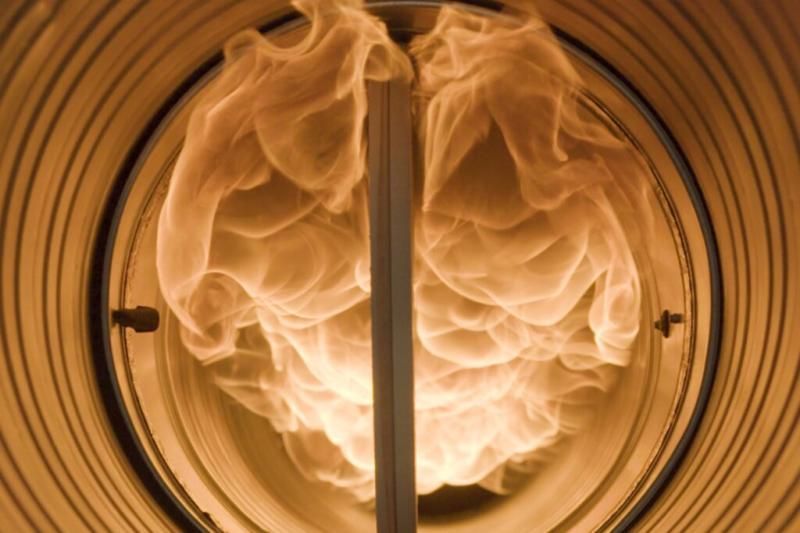
However, in the event of a fire, the fire damper is activated by various means, such as fusible links or fire detectors. The fire damper rapidly closes, creating a fire-resistant barrier, stopping the fire and smoke from travelling to other parts of the building.
The Significance of Fire Dampers in Fire Safety
The importance of fire dampers in fire safety cannot be overstated. Fire dampers act as an essential defence mechanism, reducing the fire's intensity and impeding its ability to spread rapidly. By containing the fire at its source, and prevent further damage to property and gives occupants valuable time to evacuate safely.
Fire dampers also play a crucial role in ensuring compliance with building codes and regulations. Many fire safety standards explicitly require fire dampers to be installed in specific locations within a building to enhance overall fire safety.
Regular Maintenance and Inspection
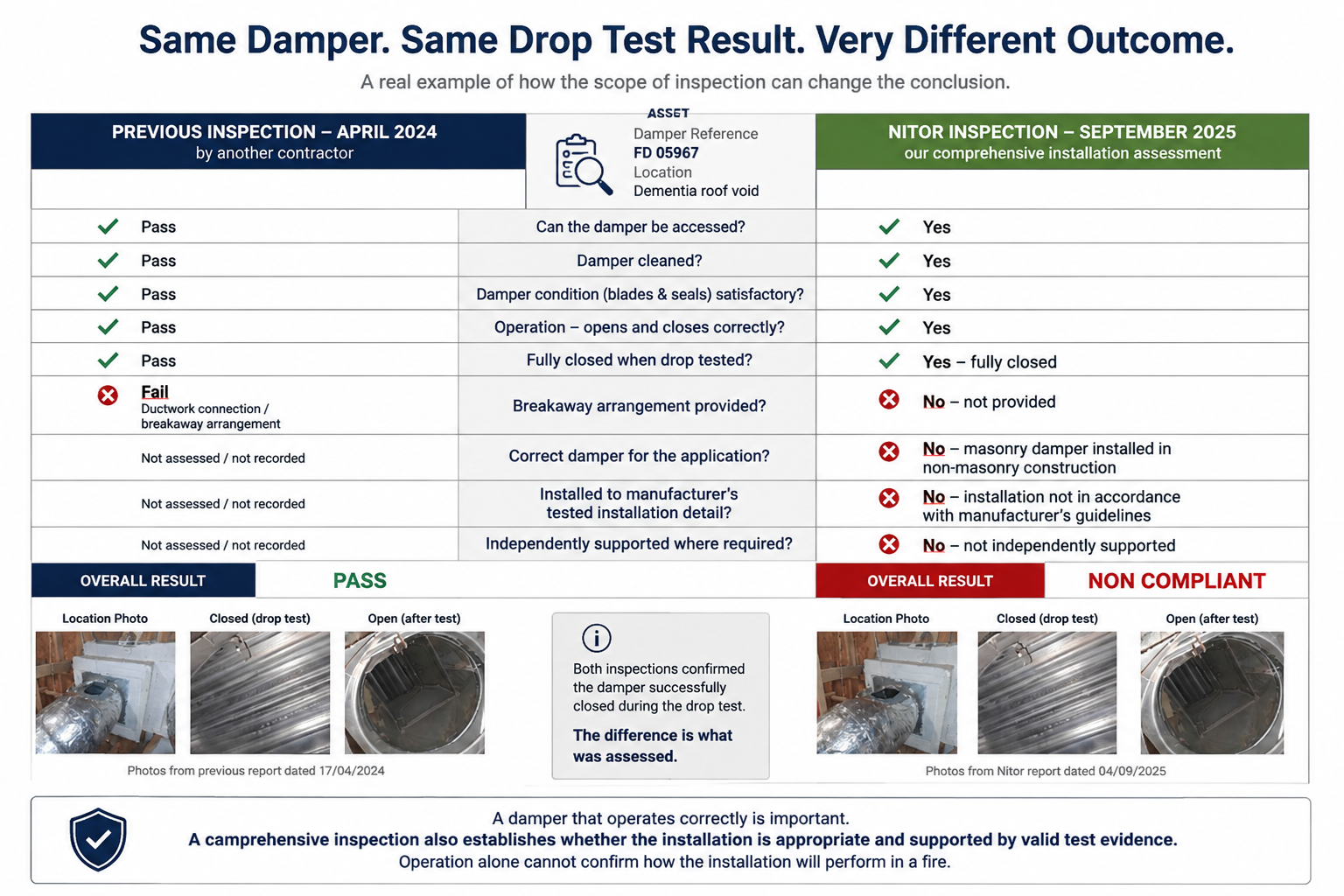
Just installing fire dampers is not enough – they require periodic maintenance and inspection to ensure their effectiveness. Routine inspections help identify any damage, blockages, or malfunctioning fire dampers and guarantee their proper functionality during emergencies.
Conclusion
Fire dampers are an integral part of fire safety systems in buildings and structures. With their ability to control fire and smoke spread, they protect lives, property, and minimise damage during fire emergencies. Regular maintenance of fire dampers and inspection ensures fire dampers remain reliable guardians of safety – working silently to safeguard against disaster.